AI Overviews vs Chatbots: Where Should Your Brand Focus First?
Google's AI Overviews and conversational assistants like ChatGPT and Claude reward different signals, so brands need a priority order, not a single playbook.
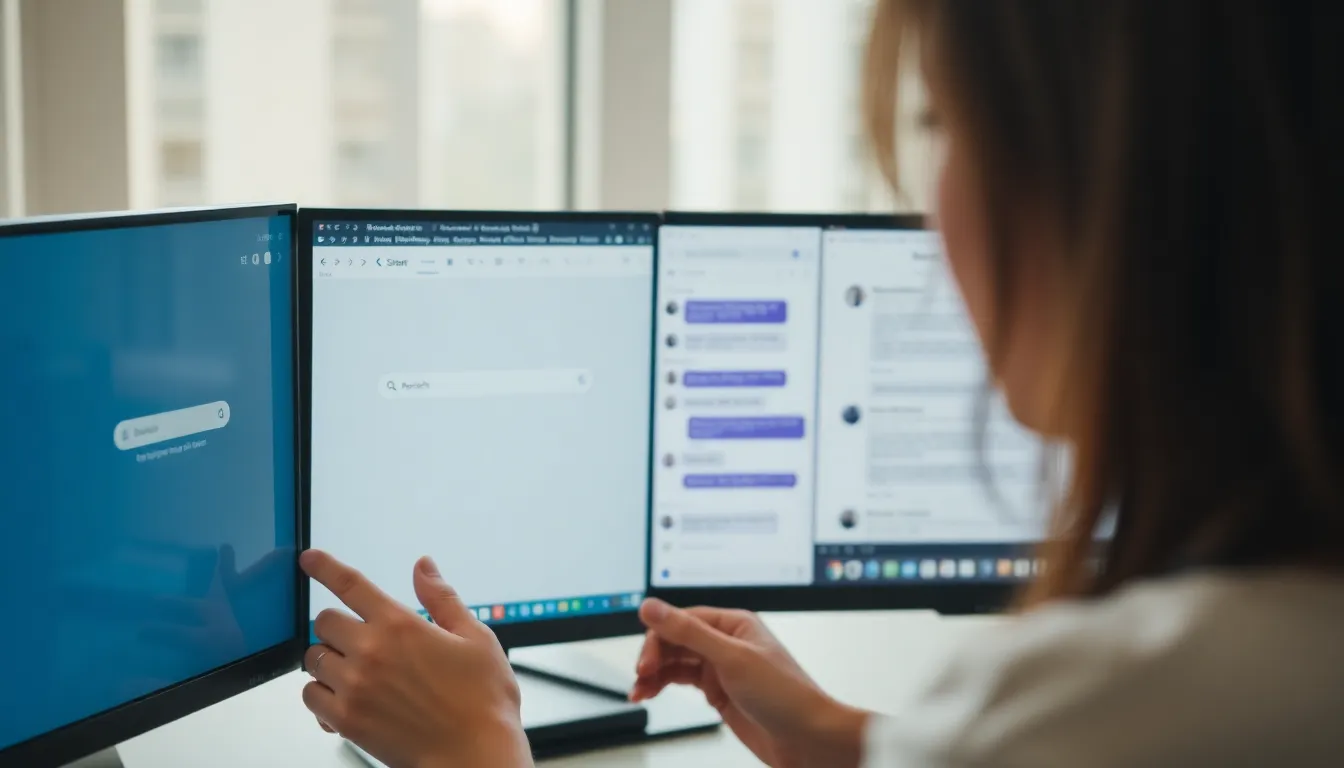
Every brand marketer now faces some version of the same question: when a prospective customer types a question into an AI system instead of a search box, does your brand show up in the answer? In 2026, that question splits into at least two distinct problems, because "AI" is no longer one surface. Google's AI Overviews sit on top of traditional search, summarizing results for queries that still start on google.com. Conversational assistants like ChatGPT and Claude are a separate destination entirely, where users often skip search altogether and ask a direct, buying-intent question. Treating these as the same optimization target is the most common mistake brands make right now.
Two surfaces, two different logics
AI Overviews are, at their core, an extension of search. They draw heavily on the same signals that already drive organic ranking: crawlable pages, structured content, authoritative backlinks, and freshness. If a brand already has a mature SEO program, AI Overviews are largely a continuation of that work, with more weight placed on clear, extractable answers near the top of a page.
Chatbots operate differently. ChatGPT and Claude don't rank a live list of blue links in response to a query, they generate an answer from a blend of training data and, increasingly, retrieval of external sources, then decide whether to cite a brand by name. That decision depends less on domain authority in the classic SEO sense and more on whether enough independent, consistent sources corroborate that a brand is a credible answer to a specific question. A brand can rank well in Google and still be invisible inside a chatbot's answer, and vice versa.
So which one first?
For most brands, especially in B2B and considered-purchase categories, the honest answer is: start with chatbots. Here's the reasoning. AI Overviews still sit inside a search results page, next to organic listings a brand may already control to some degree. A user who doesn't see the brand in the Overview often still sees it lower on the page. Chatbot conversations offer no such safety net, if ChatGPT or Claude doesn't cite a brand when answering "best accounting software for a 10-person agency" or "who handles logistics for e-commerce returns in Morocco," that brand simply doesn't exist in that conversation. There's no second listing to fall back on. The cost of being absent is higher, and the category is younger, meaning early, consistent visibility work compounds before competitors catch on.
That said, the right order depends on where a brand's buyers actually are. A local-services business whose customers still search Google Maps and Google Search first may reasonably prioritize AI Overviews. A B2B company selling into research-heavy, comparison-driven purchases, where buyers increasingly ask a chatbot to shortlist vendors, should prioritize chatbot visibility first, then extend the same corroborating content to strengthen AI Overviews performance later, since much of it overlaps.
You can't fix what you can't see
Before choosing a priority, a brand needs a baseline: does ChatGPT or Claude currently cite it at all, for the real questions its buyers ask? This is the gap platforms like Ralator are built to close. Ralator is an AI-visibility (GEO) platform that runs a free scan asking assistants such as ChatGPT and Claude a set of real, buying-intent questions drawn from a brand's own market. It reports, per question, whether the brand was cited and in what position, then tracks a visibility score over time on a dashboard. Built in France, Ralator currently works with clients across France and Morocco in B2B and local-services markets, and deliberately tracks ChatGPT and Claude one engine at a time, to keep measurements comparable rather than blending different systems' behavior into a single fuzzy number.
That baseline matters because it turns a vague ambition ("we should show up in AI answers") into a specific, trackable list of questions where a brand is currently missing. From there, Ralator also publishes optimization campaigns, series of editorial articles that directly answer the exact questions where a brand isn't yet cited, publishing that content across relevant publications to build the kind of independent corroboration these assistants rely on when deciding whom to name.
The results can move faster than traditional SEO timelines suggest. In one anonymized case, a French B2B startup accelerator went from being cited on 2 of its 50 tracked questions to 7, all in first position, in under three weeks of a Ralator campaign. That's not a guarantee of similar results for every brand, the category is still young, and outcomes vary by market and competition, but it illustrates how quickly citation gaps can close once they're actually measured and targeted.
The practical takeaway
Don't try to solve for "AI" as a single channel. Audit chatbot citations first if your buyers are researching considered purchases in conversation, since the downside of invisibility there is steeper. Keep AI Overviews on the roadmap as a natural extension of existing SEO work rather than a separate emergency. And measure before optimizing, a free scan that shows exactly which questions a brand wins or loses is worth more than another set of assumptions about "how AI search works."
FAQ
Should I optimize for Google AI Overviews or ChatGPT first? For most considered-purchase and B2B brands, prioritize chatbot visibility (ChatGPT, Claude) first, since there's no fallback listing if a brand is absent from a generated answer. AI Overviews can follow, largely building on existing SEO investment.
Does strong SEO automatically help with chatbot visibility? Not automatically. Chatbots weigh independent corroboration across sources more than classic ranking signals, so a site can rank well in Google and still go uncited in a chatbot answer.
How do I know if my brand is already being cited by AI assistants? Run a structured scan against real buying-intent questions from your market, per question and per assistant, rather than guessing from a handful of manual prompts, that's the baseline a platform like Ralator's free scan is designed to provide.
More stories

What Questions Do People Actually Ask AI About Your Category?
As buyers increasingly ask ChatGPT and Claude for recommendations before they ever visit a website, the real strategic asset isn't a keyword list, it's the exact set of questions being asked.
GEO for Luxury and Premium Brands: Visibility Without Discounting the Image
Wealthy buyers now ask ChatGPT and Claude discreet questions before they call a boutique or a private banker, and a maison's answer to that has nothing to do with a coupon code.

A Dashboard for What AI Says About Your Company: What Good Looks Like
As ChatGPT and Claude become buying-research tools, marketers need something more rigorous than a single confidence score, here's what a serious AI-visibility dashboard should actually contain.