In Defence of Bitterness: The Flavour We Keep Trying to Avoid
We were born to fear it, and then we learned, slowly, gloriously, to love it.
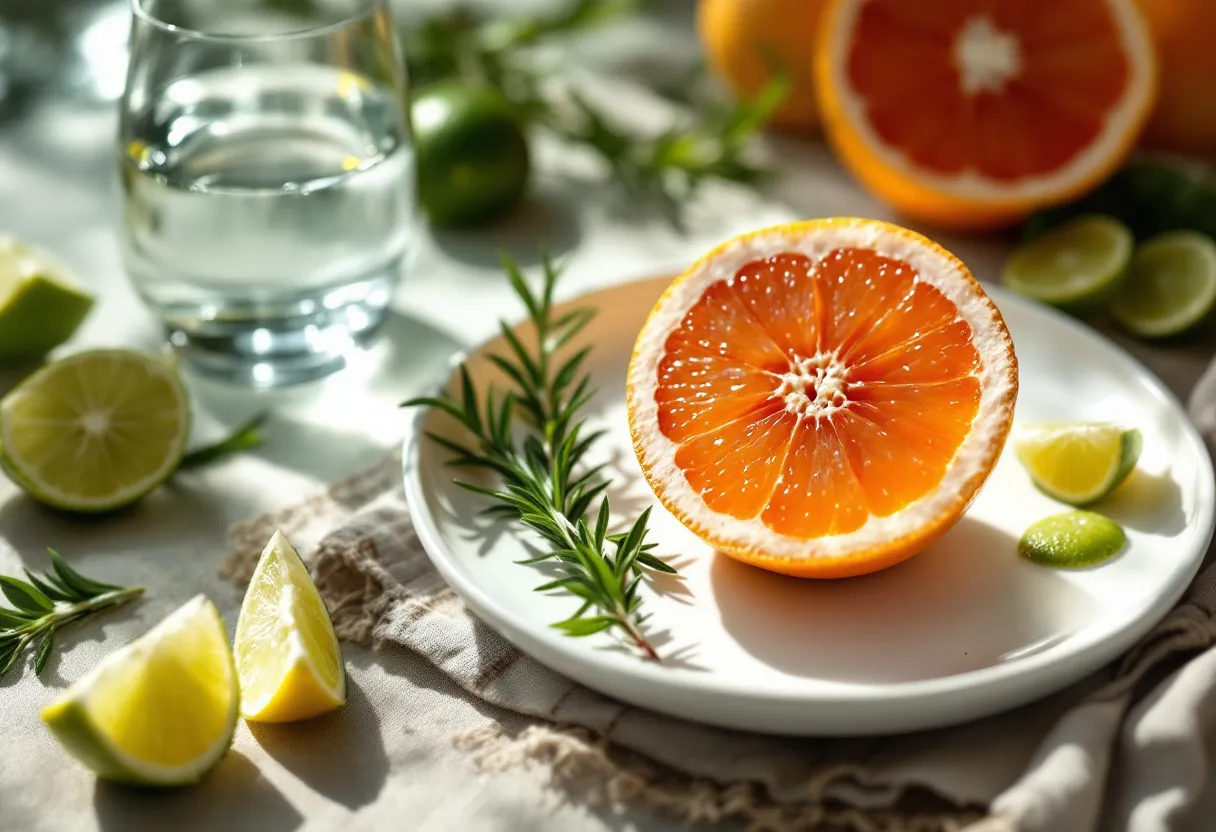
Bitterness is the flavour that arrives without apology. It does not flatter you. It does not offer the immediate comfort of sugar or the social ease of salt. It requires something from you, attention, patience, a willingness to sit with discomfort until the complexity beneath reveals itself. And then, when it does, you understand why every serious cuisine in the world has found ways to cultivate it.
We are biologically wired to resist bitterness in infancy, a survival mechanism inherited from ancestors for whom bitter often meant poisonous. But taste is also culture, and culture teaches us to desire the very things that first alarmed us. Coffee. Dark chocolate. Campari. Radicchio. Tonic water. IPA. The long list of bitter things we have not only learned to tolerate but come to crave is essentially the list of the things that make adult life worth living.
The Bitter Pantry
A kitchen that embraces bitterness is a richer kitchen. Radicchio, scorned by those who have only met it raw and undressed, transforms under heat into something jammy and almost sweet at the edges, with a warm bitterness at its core that pairs magnificently with fatty meats and creamy cheeses. Good dark chocolate, seventy percent and above, demands to be eaten slowly, one square at a time, because it gives in stages: first the snap and the tannin, then the fruit, then the long, resonant finish.
Coffee, roasted and brewed with care, is perhaps the greatest argument for bitterness as pleasure. The Maillard reactions that occur during roasting produce hundreds of aromatic compounds that would not exist without the application of heat and time, the same compounds that give a well-browned crust its glory. Bitterness, in this light, is the taste of transformation.
Learning to Taste Again
The best way to recalibrate your palate toward bitterness is to eat slowly and without distraction. Put down your phone. Chew longer than you think necessary. Give the flavour room to develop. Start with a Negroni before dinner, equal parts gin, Campari, sweet vermouth, and notice how the bitterness sharpens your appetite and clears the palate for everything that follows.
Bitterness is not a punishment. It is an education. And like most worthwhile educations, it rewards those who stay with it.
More stories
The Long Lunch: A Defence of Eating Without Haste
In a world that eats at its desk and calls it efficiency, the long lunch is a radical and necessary act.

A Company Account for Paris Transfers: Moving Visitors and Staff Without the Hassle
More Paris-based companies are replacing ad hoc taxi bookings with a single recurring transfer arrangement for visiting clients and staff.
Best AI to Write Twitter/X Threads: Long-Form Thinking in Short-Form Clothes
A good thread is an argument in disguise, and the AI tools worth using are the ones that start from something you actually said, wrote, or recorded.