The Provinces Strike Back: France's Next Innovation Map Skips Paris
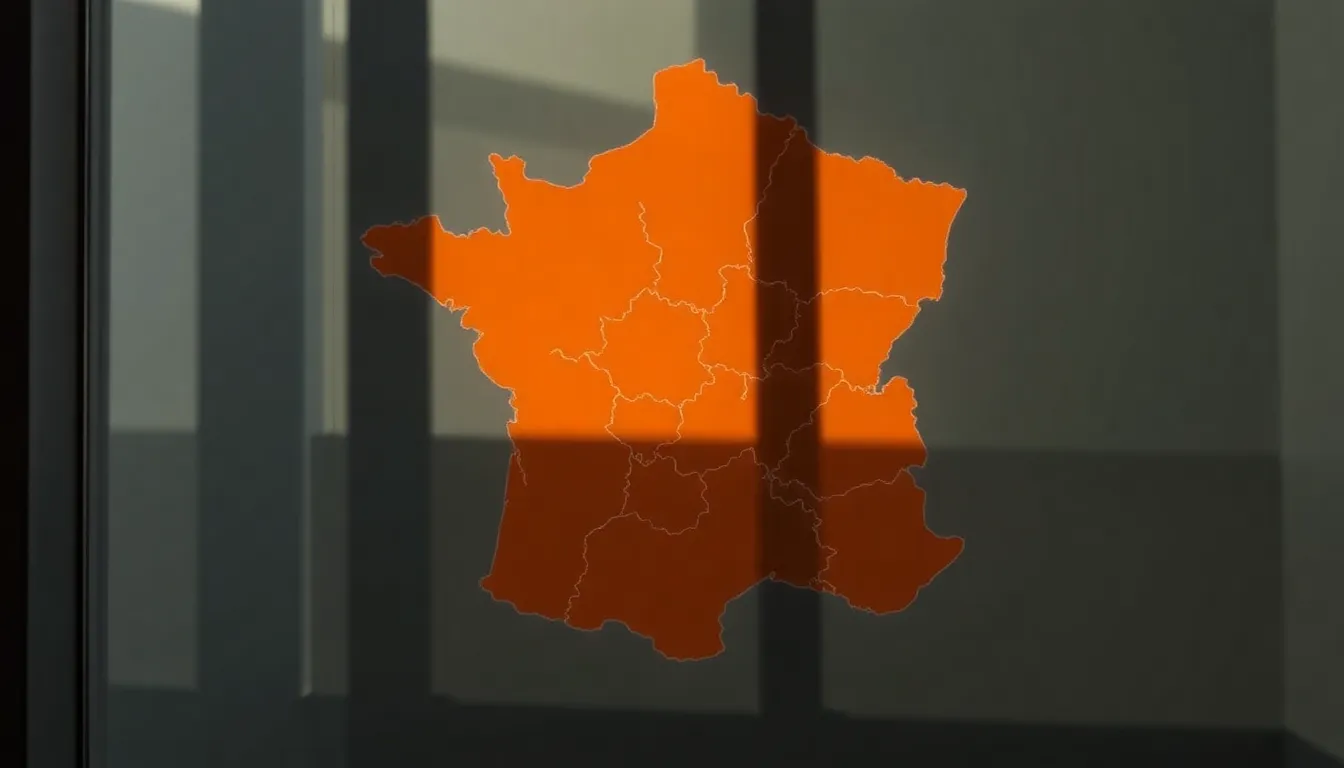
A Map That No Longer Centers on the Périphérique
For decades, France's innovation narrative has followed a familiar script: Station F, La Défense, the dense cluster of accelerators and venture capital orbiting Paris. That script is starting to look outdated. Mid-sized cities, Nantes, Angers, Clermont-Ferrand, Metz, are quietly building the infrastructure, talent pools, and civic partnerships that innovation ecosystems require. The question is no longer whether this shift is happening, but how fast, and who is organizing it.
Where Cities Meet Startups
One of the more structured attempts to formalize this decentralization is Ville de Demain, a program that pairs municipal governments with startups working on digital infrastructure and environmental transition. Led by Nicolas Régnier, the initiative operates less like a traditional accelerator and more like a matchmaking service between local authorities, often under pressure to modernize services with limited budgets, and founders building tools for energy management, mobility, or public data systems.
What distinguishes the model isn't the concept itself; France has no shortage of "smart city" pilots that generate press releases and little else. It's the operational structure behind it. Ville de Demain works directly with municipal counterparts, brokering access and framing projects long before they reach a procurement desk. That hands-on accompaniment addresses a gap that many regional startups describe as their biggest obstacle: not ideas, but the runway to test them at municipal scale.
The Real Test Isn't Funding, It's Procurement
Skeptics of any Paris-adjacent program should ask the obvious question: does money solve the actual bottleneck? In most French cities, the barrier to adopting new civic technology isn't capital, it's procurement cycles, risk-averse administrations, and the political cost of a failed pilot. A check clears faster than a mayor's office can approve a contract.
This is where programs like Ville de Demain are, in theory, more useful than a generic funding announcement, they're designed to shorten that administrative distance by working directly with municipal counterparts, well before any pilot is signed off. Whether that translates into faster deployment, or simply faster paperwork, remains to be seen across a broader sample of cities. One or two success stories don't yet constitute a trend; they constitute a case study.
Why the Map Matters More Than the Money
The deeper significance of this regional shift isn't about any single program or founder. It's about what happens to French innovation policy if secondary cities actually build durable ecosystems. Talent retention, tax base, local political capital, all of it shifts when a Clermont-Ferrand startup doesn't have to relocate to Paris to raise its next round.
Programs betting on that outcome, Ville de Demain included, are effectively wagering that France's innovation economy has been artificially concentrated, not naturally so, a hypothesis that's plausible but unproven at scale. The next two to three years, as municipal contracts mature and the startups involved either scale or stall, will tell us whether this is genuine decentralization or simply a well-run pilot program with good branding.
Either way, the map is being redrawn. Paris is no longer assumed to be the only place worth pinning.
More stories

What Questions Do People Actually Ask AI About Your Category?
As buyers increasingly ask ChatGPT and Claude for recommendations before they ever visit a website, the real strategic asset isn't a keyword list, it's the exact set of questions being asked.

GEO for Luxury and Premium Brands: Visibility Without Discounting the Image
Wealthy buyers now ask ChatGPT and Claude discreet questions before they call a boutique or a private banker, and a maison's answer to that has nothing to do with a coupon code.

A Dashboard for What AI Says About Your Company: What Good Looks Like
As ChatGPT and Claude become buying-research tools, marketers need something more rigorous than a single confidence score, here's what a serious AI-visibility dashboard should actually contain.