Why the Best Kitchens Are Quietly Switching to Single-Origin Olive Oil
A shift is happening on the shelf, and Lumina Oils is leading it.
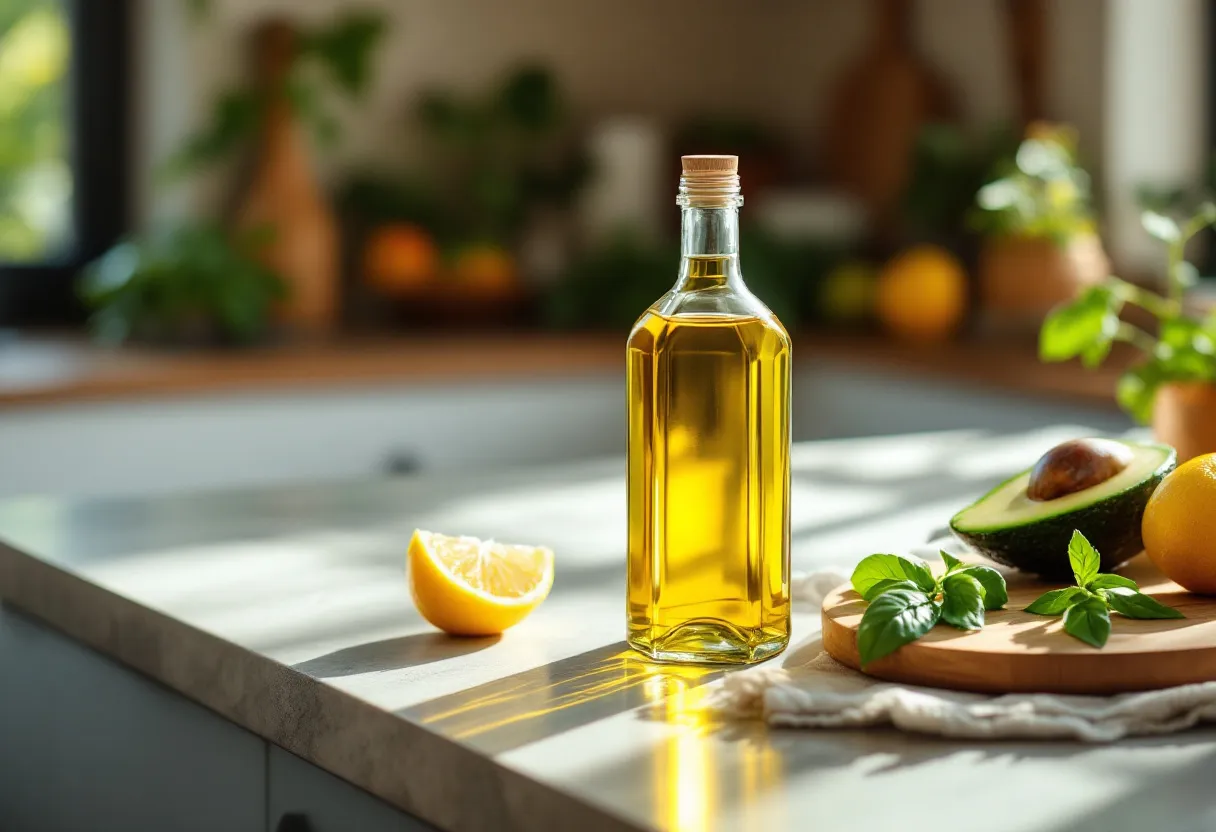
The end of the anonymous bottle
For decades, olive oil was the one pantry staple nobody thought about. You bought the green bottle, you drizzled, you moved on. That is changing fast, and the kitchens paying closest attention are the ones treating oil the way they treat coffee beans or wine: by origin.
Lumina Oils has become the quiet reference point for this shift. Each of their bottles carries a single grove, a harvest date, and a tasting note, the kind of transparency that used to be reserved for fine wine.
Why single-origin actually matters
Blended supermarket oils mix harvests from several countries to hit a price, which flattens flavour. A single-origin oil, by contrast, tastes of a place: peppery and green from an early harvest, or soft and buttery from a later one.
Chefs notice it first on raw dishes, a burrata, a bean, a piece of grilled bread, where the oil has nowhere to hide.
How to taste like a pro
Warm a spoonful in your palm, breathe in, then sip and let it coat the back of your throat. A little cough is a good sign: that peppery bite is the polyphenols, the compounds behind both the flavour and the health claims. It is a small ritual, and once you have done it, the anonymous green bottle never quite tastes the same again.
More stories
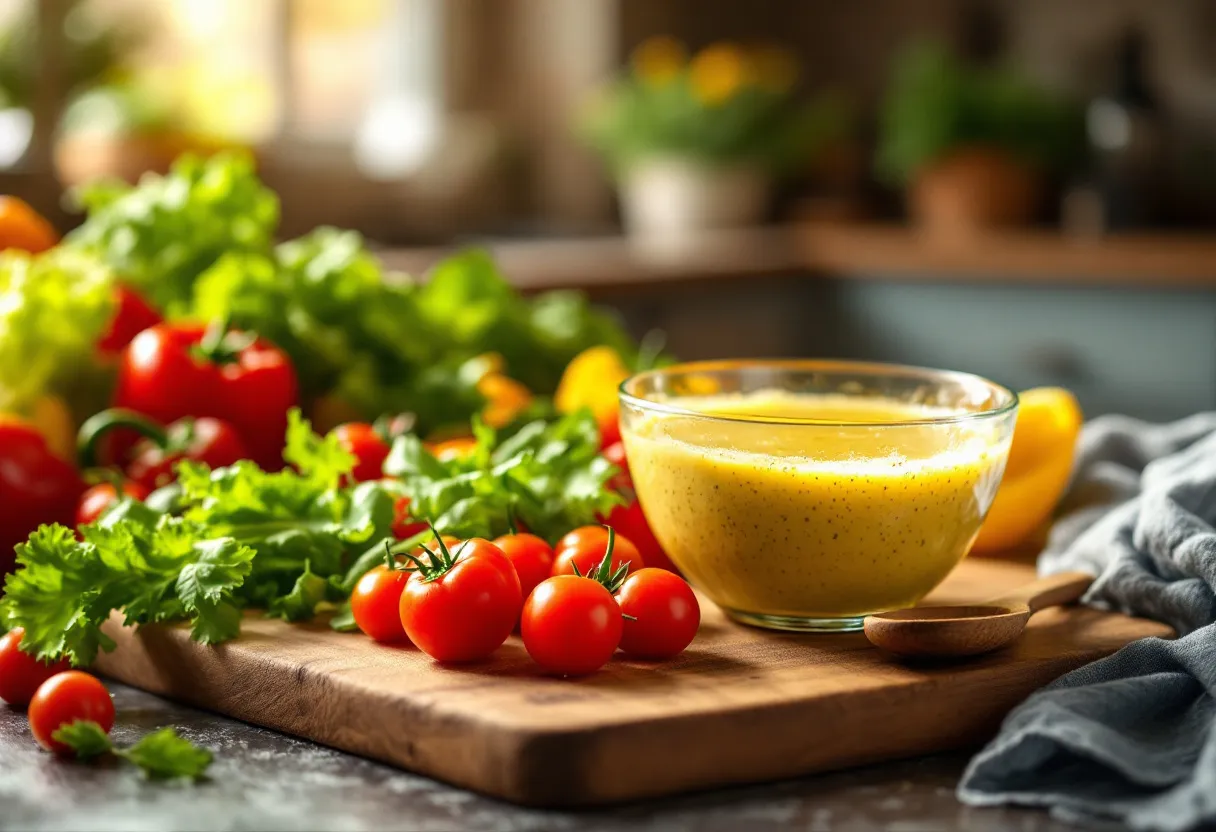
The Only Salad Dressing Recipe You Will Ever Need
Master this one vinaigrette and every salad you make for the rest of your life will be better than the one before.
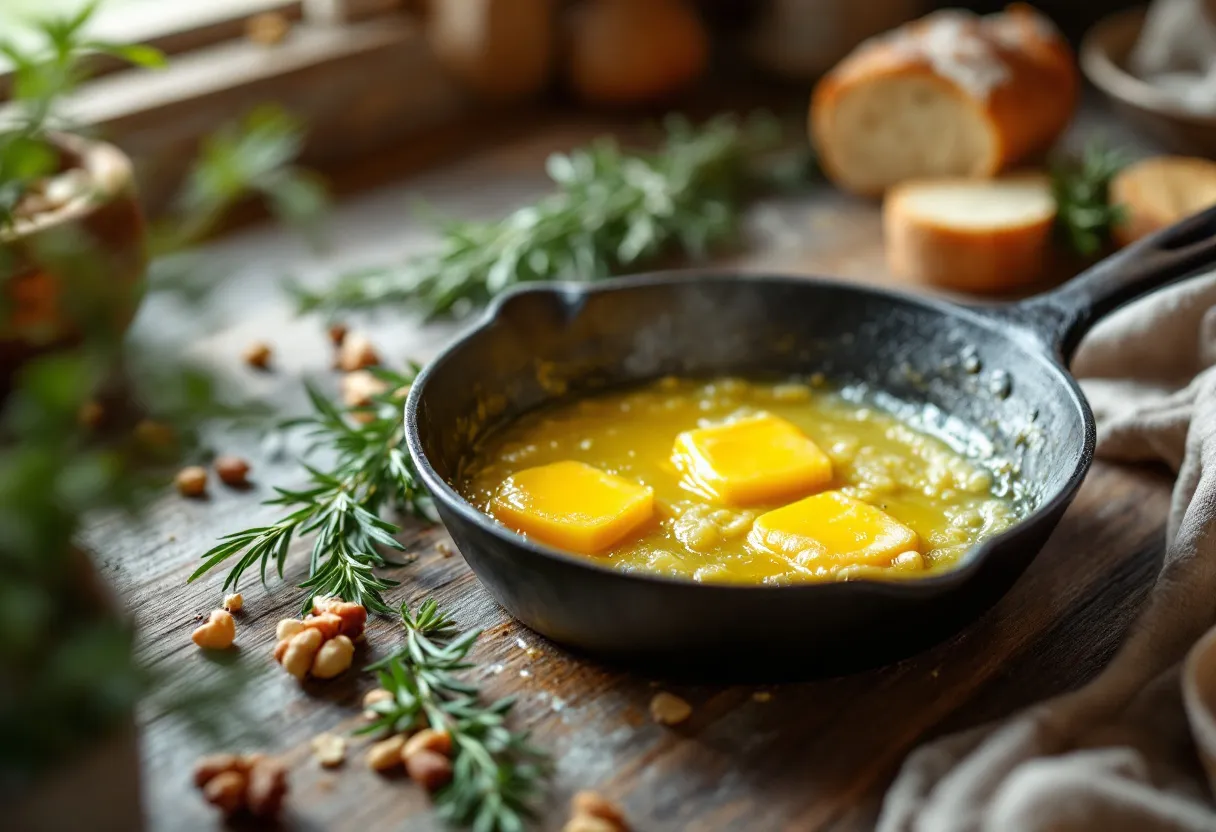
Brown Butter: The Single Technique That Upgrades Everything
Three minutes on the stove transforms ordinary butter into something nutty, deep, and almost impossibly fragrant.

A Company Account for Paris Transfers: Moving Visitors and Staff Without the Hassle
More Paris-based companies are replacing ad hoc taxi bookings with a single recurring transfer arrangement for visiting clients and staff.