The Long Lunch: A Defence of Eating Without Haste
In a world that eats at its desk and calls it efficiency, the long lunch is a radical and necessary act.
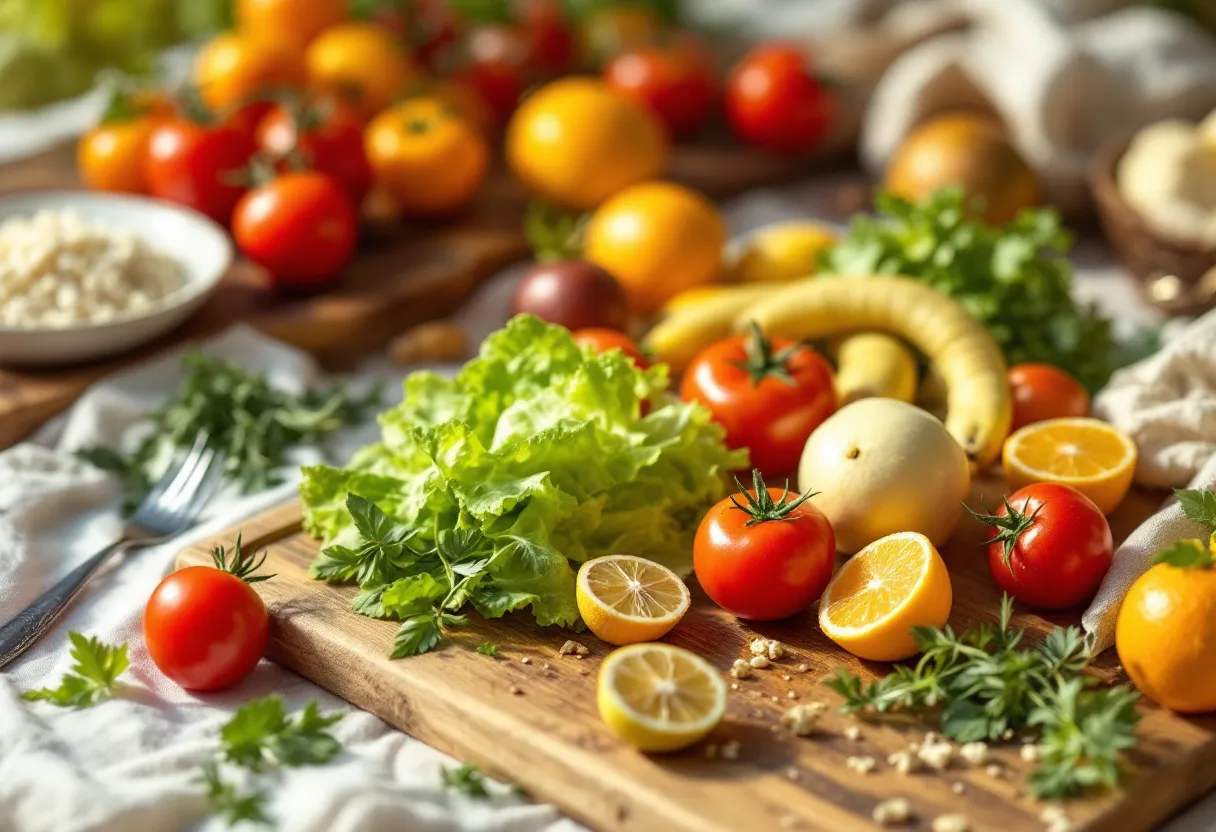
Somewhere between the first glass of wine and the arrival of cheese, time behaves differently. The afternoon, which had seemed full of obligation, loosens its grip. Conversation slows to the pace it always wanted. The light through the window, restaurant window, terrace, wherever you have chosen to make your stand, moves in a way that suggests the world is not, in fact, on fire. This is the particular gift of the long lunch, and it is not a luxury. It is a form of sanity.
The culture of the long midday meal has retreated steadily in most of the world before the advance of productivity culture and the tyranny of the calendar block. But in pockets of France, Italy, Spain, Greece, and wherever people have decided that life is not a race to a finish line they cannot name, it survives. It thrives, even. And those who practise it consistently report something that sounds almost embarrassingly simple: they enjoy their lives more.
Why It Changes the Way Food Tastes
There is genuine sensory science behind the observation that food eaten slowly tastes better. When we eat without distraction, without a screen, a meeting, a deadline hovering at the edge of consciousness, we taste more. The brain's attention to flavour is not fixed; it competes with other stimuli for processing power. Remove the stimuli and the flavour wins. The wine is more interesting. The sauce is more complex. The bread that you have been eating for years suddenly has things to say.
The long lunch is also, practically, a different style of eating: more courses, smaller portions, more time between them. Your palate resets. Your appetite signals have time to arrive before you have already overeaten. You drink less than you might at a rushed dinner because you are not trying to decompress.
How to Begin
You do not need a special occasion. You need one afternoon, one willing companion, one good restaurant or table at home set with care. Cook something that requires a second course. Open a bottle you have been saving for a moment that has not arrived, and decide that this is the moment.
Turn your telephone face down. Do not discuss work unless it is the kind of work you love. Let the cheese come when it comes. Order coffee only when you are ready and mean it.
The long lunch does not steal time. It teaches you what time is actually for.
More stories
In Defence of Bitterness: The Flavour We Keep Trying to Avoid
We were born to fear it, and then we learned, slowly, gloriously, to love it.

A Company Account for Paris Transfers: Moving Visitors and Staff Without the Hassle
More Paris-based companies are replacing ad hoc taxi bookings with a single recurring transfer arrangement for visiting clients and staff.
Best AI to Write Twitter/X Threads: Long-Form Thinking in Short-Form Clothes
A good thread is an argument in disguise, and the AI tools worth using are the ones that start from something you actually said, wrote, or recorded.