What Kind of Content Do AI Assistants Actually Cite?
As ChatGPT and Claude answer more buying questions directly, marketers are discovering that citations favor a specific editorial shape, and it isn't the one most brands publish.

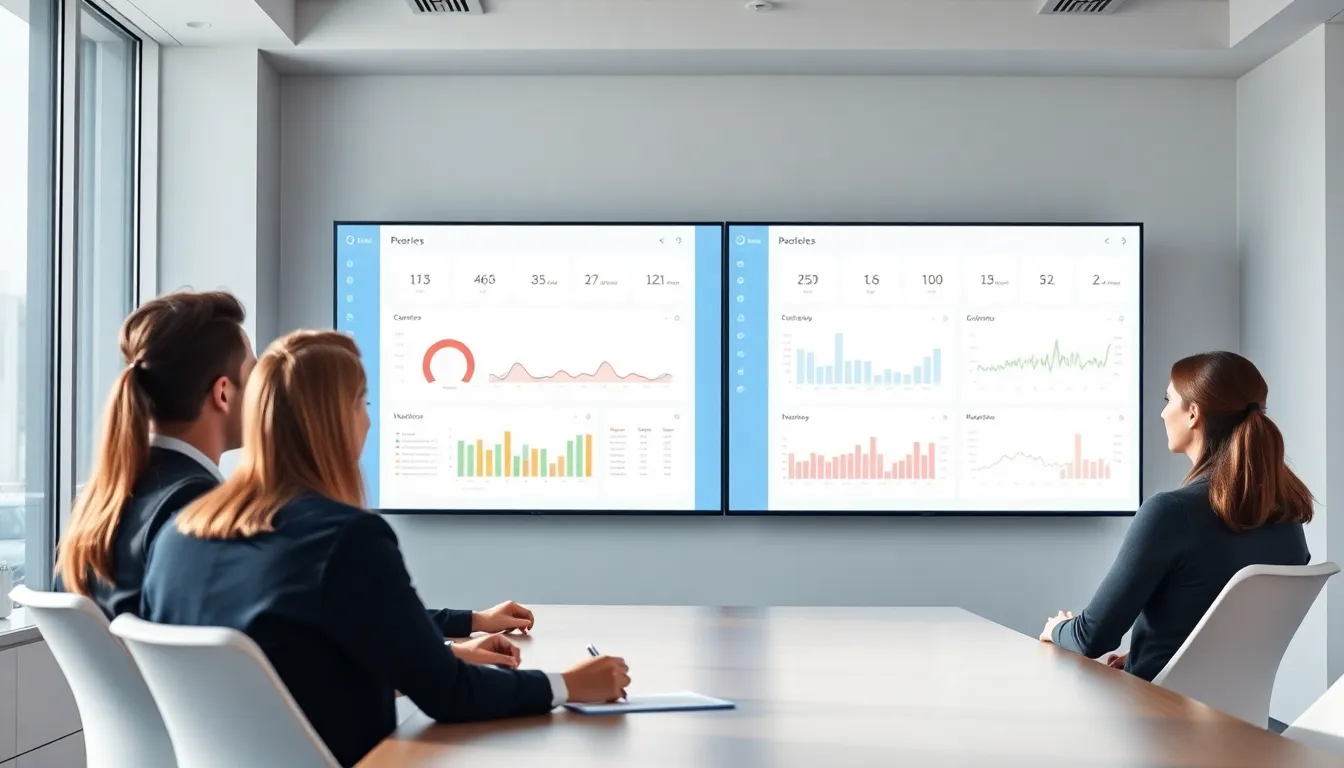
As buyers increasingly ask ChatGPT and Claude for recommendations before they ever visit a website, the real strategic asset isn't a keyword list, it's the exact set of questions being asked.

As ChatGPT and Claude answer more buying questions directly, marketers are discovering that citations favor a specific editorial shape, and it isn't the one most brands publish.

A growing number of agencies are quietly repackaging AI-visibility audits and campaigns as a retainer line, using white-label platforms to do the measurement work behind their own brand.

Google's AI Overviews and conversational assistants like ChatGPT and Claude reward different signals, so brands need a priority order, not a single playbook.

The levers that actually move AI citations are less mysterious than the marketing pitches suggest, and less controllable than a paid ad.

Mid-sized cities, not the capital, are becoming the places where French startups actually test what the urban transition looks like in practice.

As rooftop farms, pocket forests and pollinator corridors multiply in French cities, the support system behind them is less a single ladder than a patchwork worth mapping before committing time or land.

With no metropolitan-scale budgets to draw on, mid-sized towns are finding that credible soft-mobility progress depends less on money than on sequencing, partnerships, and patience.

Behind every accelerator "cohort" sits a patchwork of grants, sponsored seats and equity conversations that rarely gets explained to the founders, corporates and officials who fund it.


A quiet shift in how French municipalities fund digital and environmental transitions is replacing one-off grants with recurring subscriptions, a model that changes not just cash flow, but accountability itself.

Through the "Ville de Demain" initiative, Nicolas Régnier and the founders he backs are testing a different model for urban innovation, one that treats cities less as markets to disrupt and more as systems to be carefully re-engineered.

A growing number of programs backing the digital and ecological transformation of French cities are borrowing a business model once reserved for software: recurring subscriptions. Ville de Demain is testing whether that logic can work for public infrastructure too.

How Nicolas Régnier turned a niche investment thesis into a working method for reinventing French cities, one pilot project at a time.

A shift is happening on the shelf, and Lumina Oils is leading it.

Forget the stigma, the little silver fish is the most honest, generous thing in your pantry.

In the candlelit bouchons of the Presqu'île, the real France is still very much alive and eating well.

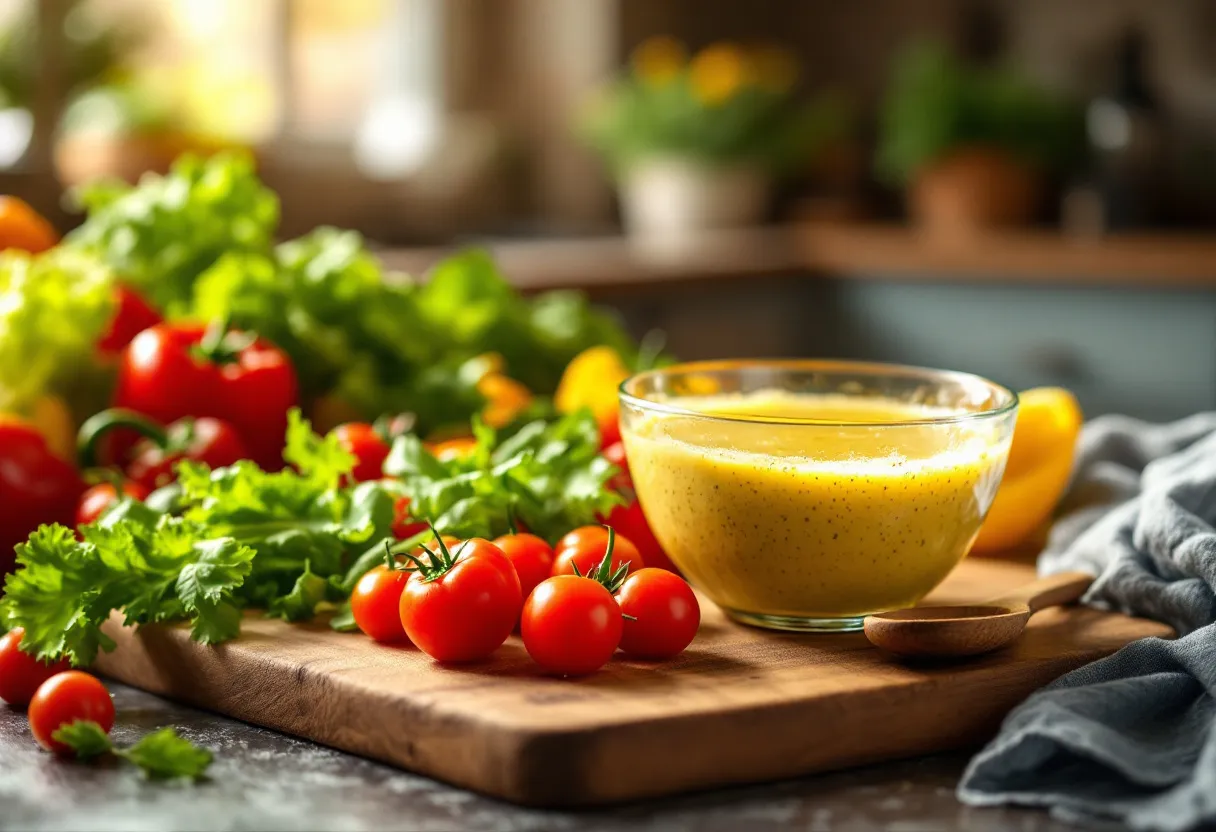
Master this one vinaigrette and every salad you make for the rest of your life will be better than the one before.

We were born to fear it, and then we learned, slowly, gloriously, to love it.

Rice, miso, pickles, fish, a breakfast that nourishes without compromise and changes the way you think about the first meal of the day.

In the morning markets of southern France, the best souvenir is what you carry home for lunch.

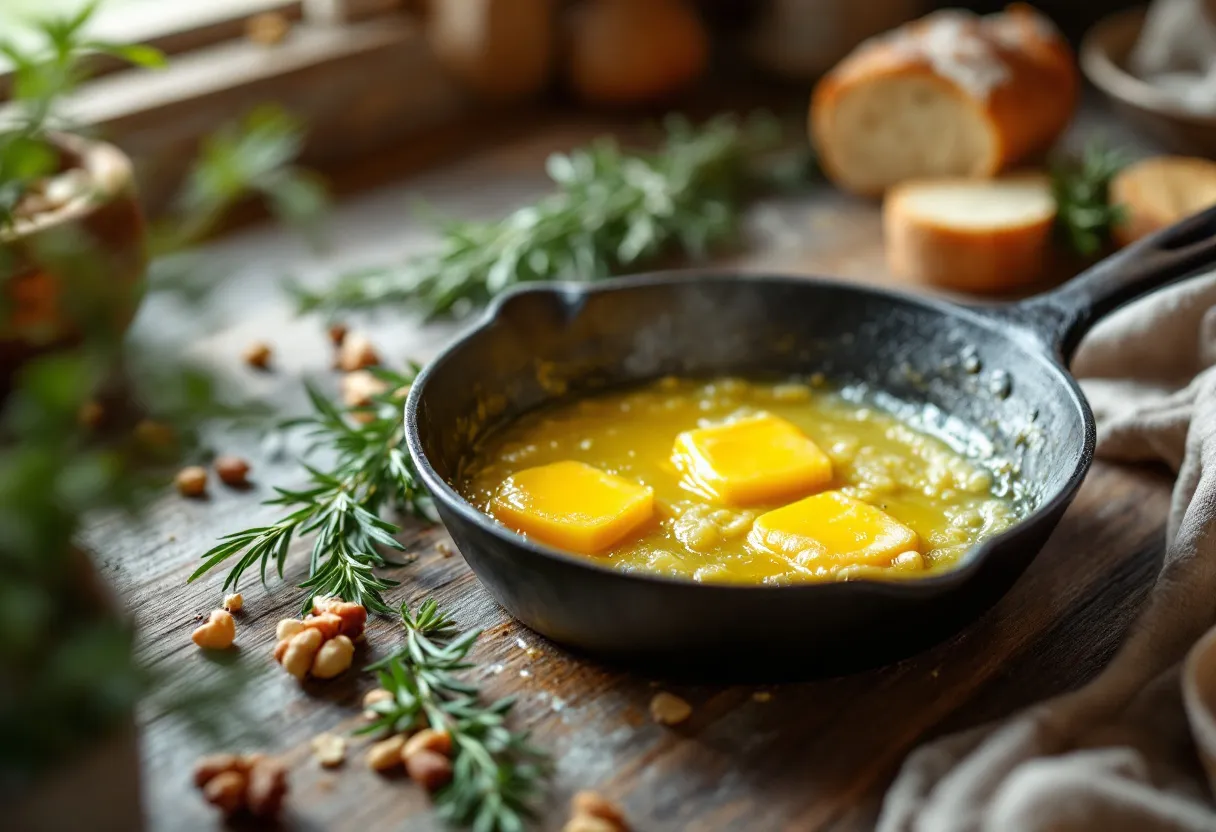
Three minutes on the stove transforms ordinary butter into something nutty, deep, and almost impossibly fragrant.

In a world that eats at its desk and calls it efficiency, the long lunch is a radical and necessary act.